Handicraft Export from Indonesia to Spain: A Guide for Spanish Buyers
Discover how to import Indonesian handicrafts into Spain. Explore popular craft products, export processes, shipping options, customs documentation, and international forwarding services with Hafa Cargo.
Handicraft Export from Indonesia to Spain: A Guide for Spanish Buyers and Craft Businesses
Indonesia has a thriving handicraft industry, with skilled artisans producing handmade products that reflect the country’s rich cultural heritage. From handwoven baskets and wooden sculptures to rattan furniture and decorative ceramics, Indonesian handicrafts offer Spanish buyers a wide range of distinctive products.
For Spanish retailers, interior designers, wholesalers, and craft businesses, sourcing directly from Indonesia is an opportunity to introduce unique products to their customers while exploring competitive sourcing options.
But importing handicrafts from another country involves more than finding the right supplier. You also need to consider international shipping, product packaging, export documentation, and customs requirements.
If you’re planning to import Indonesian handicrafts, this guide explains the essential steps involved in Export from Indonesia to Spain, including how an experienced International Forwarder can help keep your shipment organised.
1. Why Source Handicrafts from Indonesia?
Indonesia has a diverse handicraft industry supported by local artisans, independent workshops, small businesses, and established manufacturers. Each region has its own materials, production techniques, and distinctive designs.
For Spanish buyers, this variety makes Indonesia an interesting place to source products that stand out in the European market.
Some popular Indonesian handicrafts include:
- Rattan and bamboo products: Handwoven baskets, lampshades, furniture, storage boxes, and home accessories.
- Wooden handicrafts: Carved sculptures, decorative panels, kitchen accessories, and handmade furniture.
- Textile products: Batik fabrics, handwoven textiles, cushion covers, table runners, and traditional accessories.
- Ceramic products: Handmade pottery, decorative vases, tableware, and artistic ornaments.
- Natural fibre products: Seagrass baskets, water hyacinth decorations, and woven storage accessories.
- Traditional decorative items: Wooden masks, handmade ornaments, wall decorations, and cultural souvenirs.
These products can suit a variety of Spanish businesses, such as:
- Home decoration and interior design retailers.
- Furniture and lifestyle stores.
- Gift shops and souvenir businesses.
- Wholesale handicraft distributors.
- Boutique hotels and hospitality businesses.
- Retailers specialising in sustainable and artisan products.
For example, a Spanish home decoration retailer could source handmade rattan baskets, wooden trays, and woven lampshades from Indonesian suppliers to create a collection inspired by natural materials and traditional craftsmanship.
Before placing an order, consider your target customers, preferred price range, and quality standards. Having a clear idea of what you want to sell will make it easier to find suitable Indonesian suppliers.
2. Understanding the Export Process from Indonesia to Spain
Once you’ve selected your products and agreed on the purchase with your Indonesian supplier, it’s time to arrange the export process.
If you’re importing from Indonesia for the first time, the logistics may seem complicated. Breaking the process into a few manageable steps can make things much easier.
Step 1: Find and confirm your supplier
Start by identifying a reliable handicraft manufacturer, artisan workshop, or trading company.
Before confirming your order, discuss the following details:
- Product specifications and materials.
- Product dimensions and weight.
- Order quantities and minimum order requirements.
- Product prices and payment terms.
- Production lead time.
- Packaging requirements.
It’s also a good idea to request product samples or detailed photographs before committing to a large order. This gives you an opportunity to check the quality, materials, and finishing.
Step 2: Arrange product collection
Once your products are ready, you can arrange transportation from your supplier’s location to your cargo partner’s warehouse.
This service is particularly helpful if you’re buying from several suppliers across Indonesia.
For instance, you might order rattan baskets from Yogyakarta, wooden decorations from Jepara, and handmade textiles from Bali.
Rather than arranging separate international shipments for each purchase, you can explore consolidating everything into one shipment. This can make the logistics easier to manage and may help reduce shipping costs.
Step 3: Prepare packaging and export documentation
Handicrafts come in different shapes, sizes, and materials, so each product needs suitable packaging to withstand international transportation.
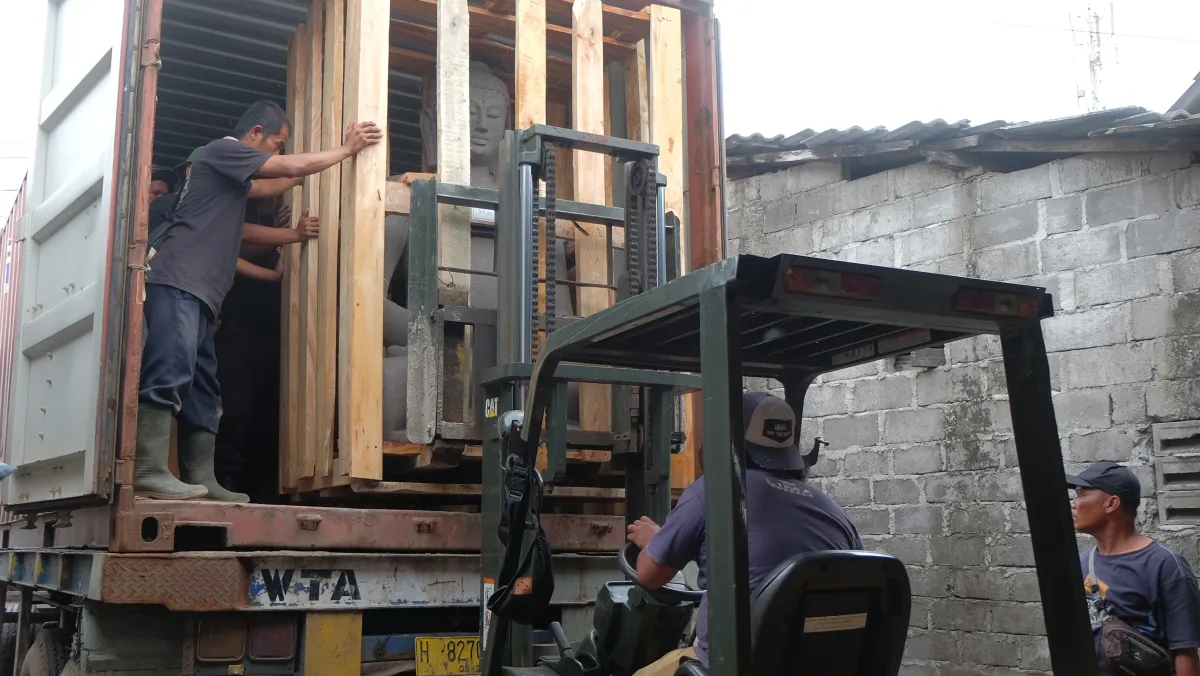
Depending on your cargo, your shipping partner can help arrange protective wrapping, cartons, or wooden crates.
The necessary export documentation should also be prepared before the shipment departs. Getting the paperwork organised early can help avoid unnecessary complications later.
Step 4: Arrange international transportation
With your products packed and the necessary documents prepared, the next step is shipping your cargo from Indonesia to Spain.
You can choose air freight or sea freight depending on your shipment volume, budget, and delivery schedule.
An experienced logistics partner can help coordinate the different stages, from cargo collection in Indonesia to international transportation.
3. Choosing the Right International Forwarder and Shipping Method
Finding the right International Forwarder can make a real difference when importing handicrafts from Indonesia.
An International Forwarder helps coordinate the transportation of goods between countries. Depending on the services offered, this can include cargo collection, packaging, warehousing, export documentation, and international shipping arrangements.
For shipments from Indonesia to Spain, air freight and sea freight are the two main options to consider.
Air Freight: Ideal for Smaller or Time-Sensitive Shipments
Air freight is a practical option when delivery speed is a priority.
It’s worth considering for:
- Small handicraft orders.
- Product samples and prototypes.
- High-value decorative items.
- Urgent seasonal collections.
- Lightweight products with relatively high value.
For example, if you’re a Spanish boutique owner ordering several boxes of handmade wooden ornaments for an upcoming seasonal collection, air freight could be a suitable option.
Although air freight usually costs more than sea freight, the shorter transit time can make it worthwhile when you need your products sooner.
Sea Freight: A Practical Choice for Larger Shipments
Sea freight is often a more economical option for larger or heavier shipments.
There are two main arrangements to consider:
LCL (Less than Container Load)
With LCL shipping, your cargo shares container space with goods belonging to other customers.
It’s a suitable option for small and medium-sized importers who want to ship several cartons of handicrafts without booking an entire container.
FCL (Full Container Load)
With FCL shipping, you book an entire container for your cargo.
This arrangement is suitable for wholesalers, furniture retailers, and businesses importing larger quantities of handicrafts.
For example, a Spanish furniture distributor importing a large collection of rattan chairs, baskets, and wooden furniture may find FCL shipping more practical.
The right shipping method depends on your cargo volume, dimensions, weight, destination, and delivery schedule. Before making a decision, ask your International Forwarder to compare the available options and explain the estimated costs and transit times.
4. Export Documents and Customs Requirements for Spain
Since Spain is part of the European Union, importing handicrafts from Indonesia involves complying with applicable EU customs procedures and product regulations.
Preparing the necessary documents before shipping can help prevent avoidable delays during the import process.
Common shipping and customs documents include:
- Commercial Invoice: Shows the product descriptions, quantities, prices, and transaction details.
- Packing List: Provides details about the number of packages, dimensions, and shipment weight.
- Bill of Lading or Air Waybill: Contains the transportation details and serves as the relevant shipping document.
- Certificate of Origin: Identifies the country where the products originate, when required.
- Additional product certificates or permits: May be necessary depending on the materials used and applicable regulations.
Spanish importers should also arrange an EORI number for customs operations and check the applicable customs duties, import VAT, and product-specific requirements.
Pay particular attention to handicrafts made from natural materials, as some products may be subject to additional import rules.
For example:
- Certain wooden products may require FLEGT licensing or other applicable documentation.
- Products containing protected animal or plant materials may require CITES permits.
- Handicrafts made from bamboo, rattan, or other plant materials should be checked against relevant EU import requirements.
- Consumer products must comply with applicable EU product safety and labelling rules.
Not every handicraft requires the same documentation. Requirements depend on the materials, intended use, product classification, and regulations that apply to the specific goods.
Before placing an order, check the relevant requirements with your customs representative or the appropriate authorities in Spain. Doing this early can help you avoid unexpected issues when your shipment arrives.
Your cargo partner can also assist with coordinating export documentation and transportation arrangements.
5. Why Choose Hafa Cargo for Shipping Handicrafts from Indonesia?
Importing handicrafts can involve several suppliers, different product dimensions, and specific packaging requirements. Having one logistics partner coordinate these arrangements can make the process much easier.
That’s where Hafa Cargo comes in.
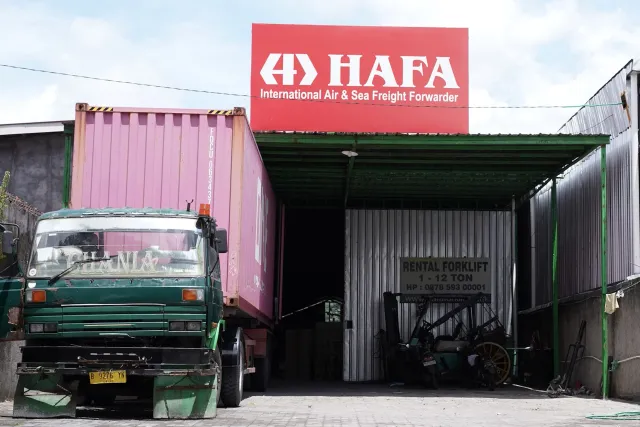
Established in 1997 and based in Yogyakarta, Indonesia, Hafa Cargo provides domestic and international freight services, helping customers arrange shipments from Indonesia to destinations around the world.
Its services cover several important parts of the export process.
Air Freight and Ocean Freight
Whether you’re shipping a small order or a large volume of handicrafts, Hafa Cargo offers air freight and ocean freight solutions.
For sea shipments, both LCL and FCL arrangements are available to accommodate different cargo volumes.
Packaging Services
Handicrafts need appropriate protection during international transportation.
Fragile ceramics, wooden decorations, and woven products all have different packaging requirements. Hafa Cargo provides professional packing services to help prepare your goods for shipping.
Trucking and Cargo Collection
Buying from multiple Indonesian suppliers doesn’t have to mean organising separate transportation arrangements.
Hafa Cargo can arrange cargo collection and transportation to its warehouse, making it easier to bring purchases together before international shipping.
Warehousing
Your products can be stored in a dry and secure warehouse while the shipment is being prepared.
This is particularly useful when you’re buying from several suppliers whose production schedules don’t always match.
Export Documentation
International shipping involves paperwork that needs to be prepared and coordinated properly.
Hafa Cargo assists with export and import documentation and customs clearance arrangements, helping customers manage the documentation required for international cargo.
Buying Agent Services
Not familiar with Indonesian suppliers or the local purchasing process?
Hafa Cargo also offers buying agent services to help international customers source products from Indonesia.
Since 1997, its buying agent service has supported customers with supplier sourcing, negotiation, purchasing, packing, documentation, and shipping.
Instead of coordinating every part of the process independently, you can explore having these services arranged through one logistics partner.
Start Importing Indonesian Handicrafts to Spain with Hafa Cargo
Indonesia offers Spanish buyers access to a wide selection of handmade products, traditional craftsmanship, and natural materials.
Whether you’re a retailer developing a new product collection, a wholesaler sourcing larger quantities, or an interior designer looking for distinctive decorative pieces, Indonesian handicrafts offer plenty of opportunities.
A successful import starts with careful planning. You’ll need to find reliable suppliers, understand the requirements for your products, prepare the necessary documentation, and choose a shipping method that suits your business.
Working with an experienced International Forwarder can help bring all these arrangements together.
Hafa Cargo is ready to help you organise your shipments from Indonesia to Spain.
From supplier collection and professional packaging to warehousing, documentation, and international air or sea freight, Hafa Cargo offers practical cargo solutions for different business needs.
Visit https://hafacargo.co.id to explore the available services and request a shipping quotation.
Make your Indonesian handicraft sourcing journey easier with a logistics partner you can rely on.